

Why do I keep getting heartburn and how long should it last?
Heartburn can be unpleasant.
A burning pain in your chest, an acidic taste in your mouth – these are all symptoms you may experience with heartburn.
If you get it regularly, it could be down to what you eat or other potential lifestyle trigger factors.
In this blog, we look at heartburn and its symptoms, explaining what it is and how it feels. We’ll also cover the difference between heartburn and indigestion, explore what might be causing you to get heartburn regularly, how long it should last, what you can do about it and when to seek medical advice.

What does heartburn feel like?
Heartburn is when you have a burning pain in the chest, typically behind the breastbone. It can be worse after you eat or in the evening.
Aside from the burning pain in your chest, other potential symptoms of heartburn include pain that is worse when you are lying down or bending over, and an acidic or bitter taste in the mouth.
Indigestion and heartburn can occur at the same time, and heartburn is one of the possible symptoms of indigestion. However, it’s worth noting that they are two separate conditions; heartburn impacts the oesophagus (the food pipe that connects your throat with your tummy) and chest, while indigestion predominantly affects your lower stomach.
Occasional heartburn is common. But if you’re getting it regularly, dietary and lifestyle changes and over-the-counter medicines such as antacids can help.
Why do I keep getting heartburn?
If heartburn is a daily occurrence for you, there could be one or more factors at play.
Diet
There are several types of foods that may be contributing or triggering your heartburn. These include fatty or fried foods, citrus fruits, tomatoes or tomato juice, chocolate, caffeinated drinks such as coffee, alcohol, and spicy food.
Stress
If you are stressed or feel anxious, this may cause or worsen acid reflux symptoms such as heartburn.
Stress can make you more sensitive to acid in your oesophagus, and if you have high stress levels, this may also contribute to issues with your gastrointestinal (GI) function – the process of digesting food, absorbing nutrients and excreting waste.
Lifestyle
There are elements of your lifestyle that may be contributing to daily heartburn. If you are eating large meal portions – especially known trigger foods which could exacerbate the problem – this could be a factor .
If you are overweight, research shows that you are more likely to get heartburn. And because stress is a factor, having a job or personal life that makes you feel stressed out may also be a contributing cause.
Pregnancy
Heartburn is a common symptom during pregnancy. This is due to the changes in the hormones of pregnant women which can affect how well the stomach tolerates food and digests it, as well as the baby and the uterus getting bigger which can put pressure on the stomach.
The hormone progesterone can cause the lower oesophageal muscle of pregnant women to relax, and when this happens, the muscle doesn’t seal to stop the backflow of stomach acid that can cause heartburn.
Medications
There is a range of medications – from antibiotics to Bisphosphonates, Nonsteroidal anti-inflammatory drugs (NSAIDs), and antidepressants – that may cause or worsen heartburn.
Underlying conditions
If you are getting heartburn regularly, it could be gastro-oesophageal reflux disease (GORD), also known as chronic acid reflux.
GORD symptoms include acid regurgitating into the throat after eating, a sore throat and nausea – also symptoms of acid reflux.
GORD should be diagnosed by a doctor.

How long should heartburn last?
Heartburn can last for any time from a few minutes up to a few hours.
You should see your doctor if you have heartburn most days.
The frequency and intensity of your heartburn should tell you whether it is nothing serious, or something you
should seek advice on from a medical professional.
Tips to prevent
Simple lifestyle changes can help to stop or reduce the symptoms of heartburn:
- Aim to eat smaller, more frequent meals a day.
- Avoid food and drink triggers – Fatty or spicy food and alcohol are well known triggers, reduce or take
them out of your diet completely. If you’re struggling to identify potential triggers, keeping a food diary
for a week or two can help. - Don’t eat for at least 3 or 4 hours before bed and if you do suffer from heartburn at night try raising the
head end of the bed 10-20cm to help stop the acid travelling upwards while you sleep.
- Smoking is a known trigger so try cutting down and seek advice on quitting.
- If stress is a factor try to find ways to relax such as spending time doing things you enjoy – you could
even try meditation, Yoga or Pilates classes to help you unwind. - Being overweight is known to be a major risk factor for heartburn and has also been identified as a
risk factor for GORD. Losing weight and increasing physical activity can be beneficial in helping relieve symptoms of heartburn.

When to see a pharmacist or doctor
Speak to your pharmacist for advice on over the counter remedies such as antacids or alginates to help relieve occasional heartburn symptoms.
If dietary and lifestyle changes alongside these types of medications aren’t helping your pharmacist may
recommend medicines such as omeprazole which works to help reduce the amount of acid in your stomach.
Available over the counter in pharmacies and supermarkets, Pyrocalm Control 20mg gastro-resistant tablets
(omeprazole) can be used for the treatment of reflux symptoms including heartburn and acid reflux.
Always read the patient information leaflet carefully before use and take Pyrocalm Control Gastro-Resistant tablets exactly as described. You should not take it for more than 14 consecutive days.
If you have heartburn most days you should see your doctor to seek advice on medication and rule out any
other causes.
Self Care Advice
Why do I keep getting heartburn and how long should it last?
Struggling with heartburn? Discover common causes, how long it lasts, and tips to manage symptoms. Learn when to seek medical advice and prevent heartburn recurrence.
Read More
Navigating Menopause and Heartburn: Tips for Managing Symptoms
Discover how menopause can trigger heartburn and acid reflux. Learn symptoms, causes, and practical tips to manage discomfort and improve daily life.
Read More
Silent Acid Reflux
Learn more about silent acid reflux and how subtle symptoms often go unnoticed. Explore what silent acid reflux is, its symptoms, treatment options and more.
Read More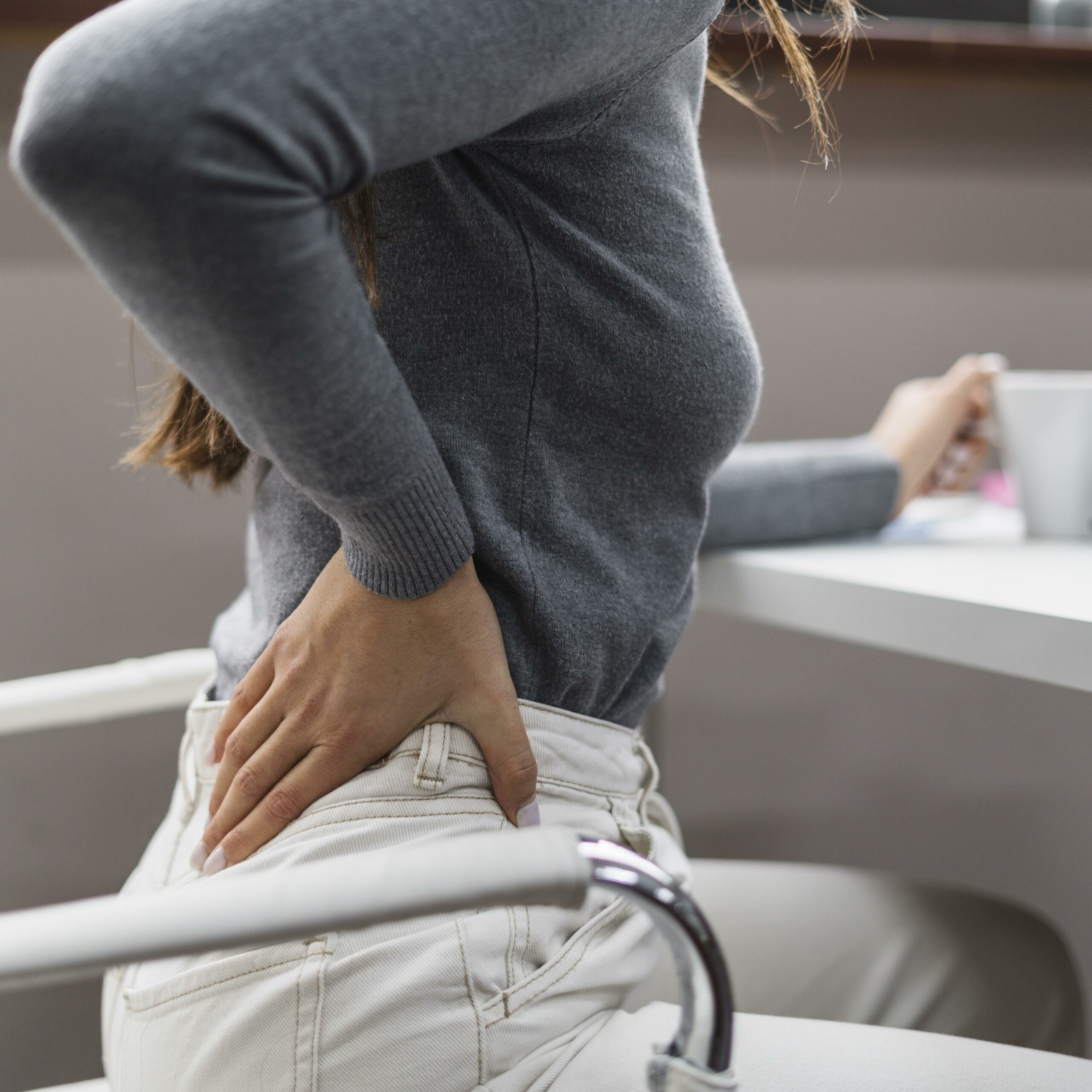
Can Acid Reflux and Heartburn Cause Back Pain?
Find out how acid reflux, heartburn and back pain might be connected, and how to manage these symptoms.
Read More
Lansoprazole vs Omeprazole
If you suffer from acid reflux and heartburn you’ve probably heard of omeprazole and lansoprazole. But how do they differ and what exactly do they do?
Read MorePyrocalm Control® 20mg Gastro-Resistant Tablets. For the short-term treatment of reflux symptoms in adults.
Contains 20 mg Omeprazole. Always read the label. Medicines can affect the unborn baby.
Always talk to your doctor or pharmacist before taking any medicine in pregnancy.